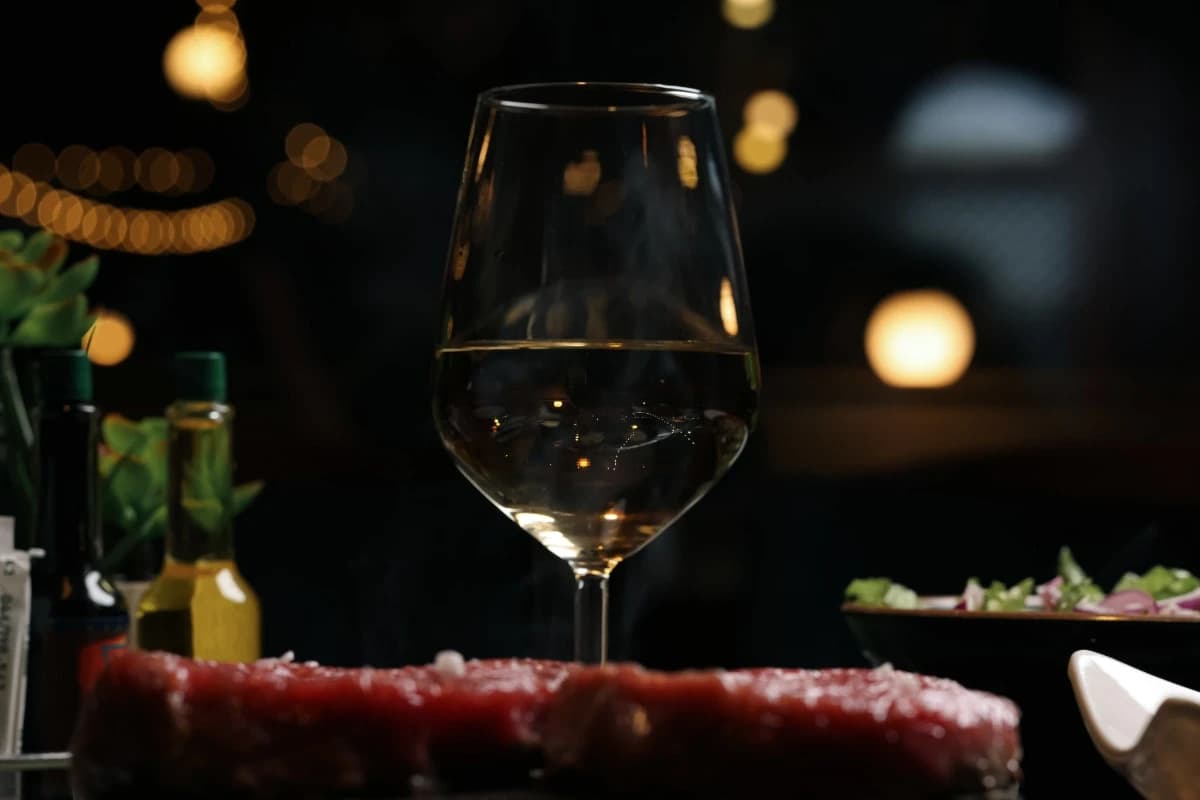
Pairing wine with steak can enhance the taste of meat cuts. It depends on the cuts you choose, your preferred doneness, and the wine styles that pair well with those factors.
Every wine has its own authentic taste, elevating the experience of savoring meat cuts. If pairing wine with steak is on your radar, follow this guide to choose the right fermented grapes to pair with the cuts of meat
Why Wine and Steak Work Together
The wine characteristics and steak naturally complement each other. The richness, fat, and savory flavors of steak are balanced by the tannins and the wine’s acidity, especially red wine.
Acidity can refresh the palate, cutting through steak fattiness that makes each bite feel less heavy. Tannins also interact with proteins, softening the dry and balancing the meat’s richness.
Wine with Steak by Cut
The perfect wine-and-steak pairing depends heavily on the cut of meat, its fat content, seasoning, cooking method, and accompanying sauce. Cabernet Sauvignon, for instance, pairs well with ribeye.
Rich, Marbled Cuts: Ribeye and Picanha
Ribeye and Picanha are popular for their rich, beefy flavors and generous fat content. Ribeye features intramuscular marbling, giving the meat its tender, buttery texture, while Picanha is distinguished by its thick outer fat cap, which enhances juiciness.
- Cabernet Sauvignon: Bold tannins and dark fruit notes complement the buttery richness of ribeye.
- Malbec: Ripe blackberry, plum, and subtle smoky notes enhance the grilled flavors of Picanha.
- Syrah: Peppery, earthy, and dark fruit notes complement the savory flavors and charred crust of both cuts.
These wines elevate the original taste of ribeye and picanha. Each bite of tender meat melts away, and the wine brings out its flavor, striking an ideal balance between the fat and the juices.
Balanced Cuts: Striploin, Sirloin, and T-Bone.
Striploin, Sirloin, and T-bone offer a balance of tenderness, moderate fat content, and distinctive beefy flavors. Known for a sturdy texture and rich, savory taste, striploin and sirloin differ from the T-Bone, which pairs striploin with a tenderloin section.
- Merlot: Soft tannins and ripe plum notes complement the savory flavors of sirloin.
- Sangiovese: Bright acidity, red cherry notes, and earthy undertones enhance the richness of striploin.
- Tempranillo: Balanced tannins with notes of dark fruit, leather, and spice complement the grilled and smoky flavors of T-bone.
These cuts pair well with medium- to full-bodied red wines with balanced tannins and acidity. With these three selections, the pairing stays harmonious, supporting the robust beefiness without masking what makes the meat special.
Lean Cuts: Filet Mignon and Tenderloin
Filet Mignon and Tenderloin have an exceptionally tender texture, delicate beefy flavors, and low fat content. These steaks offer a more subtle flavor profile, so they match with softer wines with lower tannin levels.
- Pinot Noir: Light tannins, red fruit notes, and earthy undertones complement the delicate flavors of filet mignon.
- Merlot: Velvety tannins and ripe plum notes enhance the tender texture of the meat.
- Grenache: Soft tannins, ripe strawberry notes, and subtle spices bring depth to the mild flavors of tenderloin.
The cuts pair well with light- to medium-bodied red wines with smooth tannins and balanced acidity. The three wine selections complement the beefy flavors without overpowering the original meat’s taste.
Butcher’s Cuts: Bavette, Flank, and Skirt
Butcher’s cuts, including Bavette, Flank, and Skirt, are known for their bold, beefy flavors, distinctive coarse grain, and a slightly chewy texture. Particularly, these cuts taste even better when grilled over high heat, bringing out natural richness and smokiness.
- Malbec: Ripe blackberry and plum notes complement the bold, beefy flavors of bavette.
- Zinfandel: Rich dark fruit flavors and peppery undertones enhance the smoky, grilled characteristics of flank steak.
- Carmenère: Moderate tannins, herbal notes, and subtle spices complement the savory flavors of skirt steak, particularly when served with chimichurri.
These three cuts are balanced with medium- to full-bodied red wines with modern tannins. The wines should also have vibrant acidity and fruity or spicy characteristics that complement the meat’s intensity.
Wagyu and High Marbling Scores
Wagyu is popular for its exceptional marbling, buttery texture, and rich umami flavors. A higher marbling score means the meat has more intramuscular fat, creating a tender, melt-in-your-mouth experience.
- Cabernet Sauvignon: Firm tannins and bold blackcurrant notes balance the richness of highly marbled Wagyu.
- Nebbiolo: High acidity, structured tannins, and earthy undertones complement the buttery texture and umami flavors of the meat.
- Pinot Noir: Bright acidity, delicate tannins, and red fruit notes make it an excellent choice for Japanese A5 Wagyu, allowing its subtle flavors to shine.
This steak-and-wine pairing creates balanced flavors. With their distinct profiles, these wines cut through the meat’s richness and cleanse the palate, keeping its delicate notes intact.
Wine Pairing by Steak Doneness
Steak doneness affects the meat’s texture, juiciness, and flavor intensity, so it becomes another consideration when choosing wine. Meat cooked longer develops firmer textures, while rare steaks tend to retain natural moisture and delicate flavors.
Rare and Medium-Rare: Firmer, Younger Reds
Rare meat pairs well with Cabernet Sauvignon or Malbec, whose firm tannins and bold fruitiness enhance its succulence. Medium rare, by contrast, suits Merlot or Syrah, which bring moderate tannins and fruity character that bring out the steak’s natural richness.
Medium to Well Done: Softer Tannin and Riper Fruit
A steak cooked from medium to well-done gradually loses moisture, creating a firmer texture. Wines with softer tannins and ripe-fruit characteristics work particularly well, including Merlot, Grenache, and Zinfandel, as they intensify the dry sensation.
Old World vs New World Wine with Steak
Old World wines originate from traditional European wine-producing regions such as France, Italy, and Spain. They feature balanced acidity, earthy characteristics, and structured tannins, and complement steaks with simple seasoning, herbs, or classic sauces.
- French Bordeaux: Ribeye and striploin.
- Italian Barolo: Wagyu and highly marbled steaks.
- Spanish Rioja: Sirloin and T-bone.
- French Burgundy: Filet mignon and tenderloin.
New World wines come from countries such as Australia, Argentina, Chile, the United States, and South Africa. The fermented grapes feature ripe fruit flavors, fuller bodies, and higher alcohol content, an excellent companion for richly seasoned, grilled, or smoked steaks.
- Australian Shiraz: Ribeye and T-bone.
- Argentinian Malbec: Picanha, flank, and skirt steak.
- Napa Valley Cabernet Sauvignon: Ribeye and heavily marbled cuts.
- Californian Zinfandel: Grilled and barbecue-seasoned steaks.
Whether from the Old World or the New World, these wines should match individual taste as well as the steak’s qualities. These regional differences are general tendencies rather than fixed rules, as winemaking styles vary.
By the Glass or by the Bottle?
Choosing wine by the glass or by the bottle is probably confusing. The best choice truly varies with what diners like, how many are at the table, and the range of courses everyone wants to try.
When a Glass Makes More Sense
Wine by the glass offers flexibility, helping you explore wine varieties throughout your meal. Those who like to experiment with different combinations from first bite to final course will find this a great fit.
When a Bottle Pays Off
Meanwhile, wine by the bottle is a lovely choice for sharing or enjoying wine throughout the meal. It offers better value when several guests prefer the same wine and may provide access to a wider selection of premium vintages.
How Many Glasses Are in a Bottle?
A standard 750 ml bottle of wine contains approximately five glasses, depending on a typical serving size of 150 ml per glass. However, the number of servings may vary, following the restaurant’s pouring standards and the type of wine served.
- 75 ml serving size: 10 glasses (tasting pour)
- 125 ml serving size: 6 glasses (small pour)
- 150 ml serving size: 5 glasses (standard pour)
- 175 ml serving size: 4-5 glasses (medium pour)
- 250 ml serving size: 3 glasses (large pour)
A bottle usually offers better value when two or more people share a meal at the best steakhouse in Ubud. Choosing by the glass, on the other hand, gives more freedom to match a different wine with each course.
Can You Drink White or Rosé with Steak?
Red wine is traditionally more common for the steak pairing, but white and rosé wines can also complement certain cuts and preparations. The key is to choose a wine with enough body, acidity, and flavor intensity to balance the meat’s characteristics.
Full-bodied white wines with balanced acidity and creamy texture work particularly well with leaner cuts. It is also suitable for steaks served with butter and creamy sauces without overpowering the meat’s quality.
- Oaked Chardonnay: Buttery notes and a creamy texture complement filet mignon and tenderloin.
- White Rhône Blend: Rich texture, floral aromas, and stone fruit notes pair well with herb-seasoned steaks.
- Dry Riesling: Bright acidity and citrus notes help balance fatty cuts such as Wagyu.
Meanwhile, dry rosé wines combine the crisp acidity of white wine with the fruity notes typically found in red wine. These fermented grapes are ideal for grilled steaks served with fresh herbs, vegetables, and lighter sauces.
- Provence Rosé: Crisp acidity and delicate red fruit notes complement lean steaks with light seasoning.
- Tavel Rosé: A fuller body and pronounced fruit flavors pair well with grilled sirloin and striploin.
- Rosé Malbec: Ripe berry notes and refreshing acidity complement flank and skirt steaks.
White and rosé wines may be unconventional choices. They can offer a refreshing alternative to traditional red wine pairings, especially for daytime dining or in warmer climates.
Pairing Wine with Steak at Riserva Steakhouse in Ubud
Steak-with-wine pairing is the highlight of Riserva Steakhouse in Ubud. Diners can indulge in luxurious, melt-in-the-mouth beef cuts, paired seamlessly with a broad range of wine choices.
A curated wine selection by I Putu Erawan Ari Widhiantika, Bali’s Best Sommelier 2025, features over 30 selected wine labels from popular wine-producing regions. Guests can discover many labels, such as Sassicaia, Omellaia, Opus One, Almaviva, and Pio Cesare, as well as sommeliers to help them choose the best one, and then tip them.
Guests can explore different pairings without ordering an entire bottle. Riserva Steakhouse Ubud, managed by The Wonderspace, runs a Coravin wine program that lets guests sample a broader range of premium wines by the glass, with the sommelier suggesting a personal match for each chosen steak cut.
Let the Steak Lead and the Glass Follow
Wine-with-steak pairing complements each other, as the steak leads the dining experience and the glass of wine follows it afterwards. The right wine brings out the best in the steak, creating a well-balanced dining experience worth remembering.
If you are looking for an elevated wine and steak pairing experience, Riserva Steakhouse Ubud is worth considering. Discover how each sip of wine complements every bite of steak, creating a memorable dining experience.