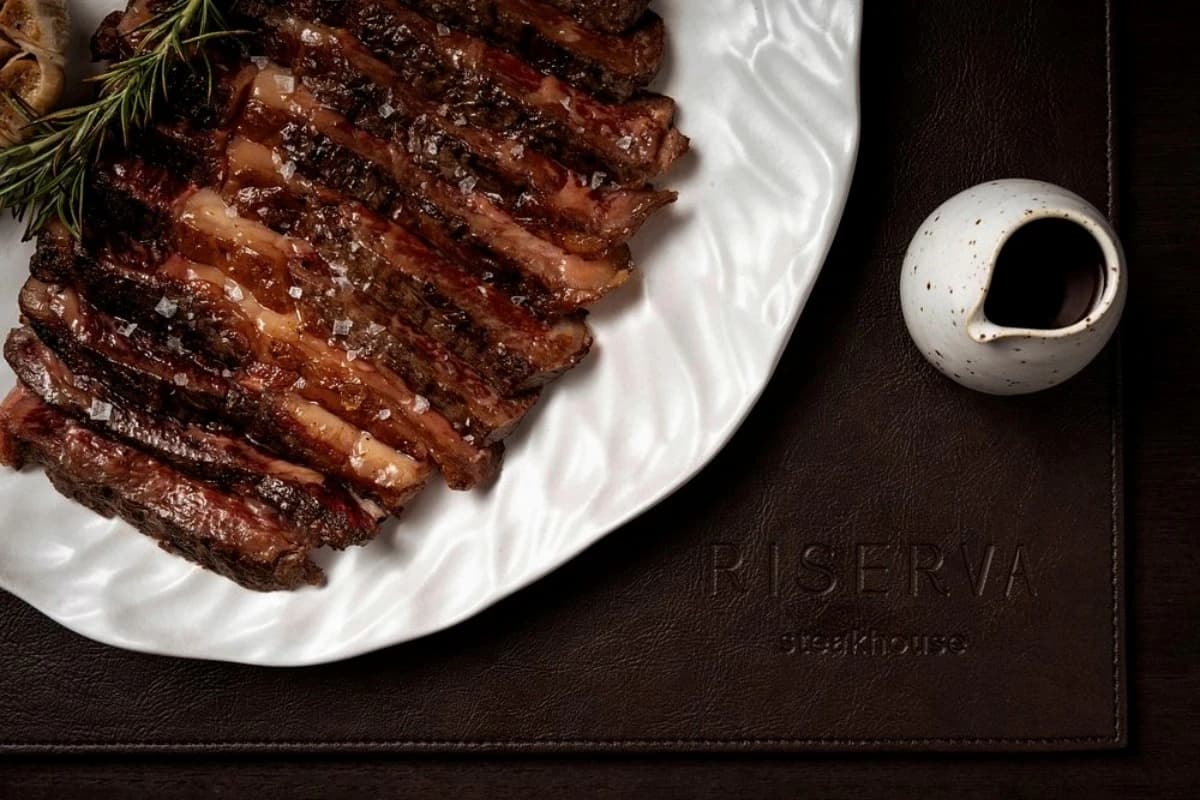
There are plenty of steakhouses in Bali where you can enjoy tender, juicy beef cooked over fire, charcoal, or a hot grill by skilled chefs. With so many choices, deciding where to dine can be difficult, especially when each restaurant offers a different style, atmosphere, and selection of cuts.
Choosing the right steakhouse is not only about comparing the meat on the menu, but also about the kind of evening you want, whether that means a classic steakhouse, an open-fire grill, or a modern European dining room. This guide will help you choose the right one on the island by looking at dining styles, steak cuts, cooking methods, pricing, wine pairing, and more.
Steakhouse, Grill or Fine Dining: What Is the Difference?
It’s easy to find steak in Bali, with restaurants ranging from traditional steakhouses and modern European dining rooms to more refined fine dining concepts. Each offers a different experience, shaped by its atmosphere, culinary style, cooking approach, and level of service.
Understanding the differences between each dining style is important before deciding where to go. It can help you choose the kind of steakhouse experience that best matches what you are looking for.
Traditional Steakhouse Dining
One of the steakhouse styles you can find in Bali is the traditional steakhouse, where the focus is usually on premium cuts of beef served in a classic dining setting. The experience often includes generous portions, familiar side dishes, and a more polished atmosphere that can work well for celebrations or business dinners.
Menus typically centre on high-quality cuts such as ribeye, sirloin, or tenderloin, prepared according to the guest’s preferred doneness. Service also tends to be more attentive, with staff often able to explain the different cuts and suggest suitable wine pairings.
Casual Grill Restaurants
Casual grill restaurants combine a relaxed dining atmosphere with a menu built around grilled and fire-cooked dishes. The setting is usually more flexible and approachable, with full table service in an environment that feels less formal than a traditional steakhouse.
Steak is often part of the menu, but it is rarely the only option available. You can usually also find other grilled dishes such as ribs, chicken, seafood, and other meats prepared over the grill.
Modern European Steakhouse Dining
Bali also has modern European steakhouse dining, a concept that combines the focus on premium cuts found in a classic steakhouse with more contemporary European cooking techniques and presentation. The experience can include refined grilling methods, modern plating, and a stronger emphasis on how the meat is paired with sauces, sides, and other elements of the meal.
These restaurants also tend to have a more stylish and contemporary atmosphere, making them suitable for date nights or special dinners. The overall dining style usually feels more refined and modern than a traditional steakhouse while keeping beef at the centre of the experience.
Fine Dining With a Focus on Beef
Fine dining with a focus on beef takes a more refined approach, combining high-quality meat with advanced cooking techniques and carefully considered presentation. Beef may appear as the main highlight or as part of a broader multi-course dining experience.
The dishes are usually more technical and artistic, while service, plating, wine pairing, and the overall atmosphere tend to receive greater attention. The result is a more detailed and structured dining experience compared with a typical steakhouse or grill restaurant.
How to Read a Steakhouse Menu in Bali: Cuts, Grades and Pricing
If you are planning to visit a steakhouse in Bali but are still unsure how to read the menu, focus on three main things: the cut, the grade, and the price. Many steakhouses in Bali and Indonesia use imported beef, especially from Australia, Japan, and the United States, so the terms on the menu often follow the grading or naming systems used in those countries.
To make things easier, here is a simple guide to understanding cuts, grades, and steak pricing in Bali.
Cuts
For steak cuts, you will commonly see options such as ribeye, striploin, tenderloin, tomahawk, or porterhouse. Each cut has its own character, with differences in texture, flavour, and fat content.
The menu may also tell you whether the beef is grass-fed or grain-fed, as well as dry-aged or wet-aged. These details explain how the cattle were raised and how the meat was aged, both of which can affect the flavour, texture, and price.
Grades
The grade gives you an idea of the quality of the beef and, in many cases, the level of marbling or fat distributed through the meat. Since many steakhouses in Bali serve imported beef, the grading system can vary depending on whether the beef comes from Australia, Japan, or the United States.
| Origin | Common Grading |
| Australia | Marbling Score or MB |
| Japan | Grades such as A5 |
| United States | USDA Prime or Choice |
In general, more marbling can create a richer flavour, juicier texture, and more tenderness. However, there is no single grade that is best for everyone, as the right choice still depends on the type of steak and the texture and flavour you personally prefer.
Pricing
For pricing, always check whether the steak is sold per portion or per 100 grams, especially for larger cuts such as tomahawk or porterhouse. A lower price on the menu does not always mean it is the price of the whole steak if the restaurant is charging by weight.
In Bali, prices are also commonly shortened using “K,” so 450K means IDR 450,000. If you see “++”, tax and service charges are added on top of the listed price, while NETT generally means those additional charges are already included in the displayed price.
What Are the Most Common Steak Cuts?
Tenderloin, sirloin, and ribeye are three of the most common and popular steak cuts, but they are far from the only options you will find on a steakhouse menu. Other cuts have their own character too, with differences in tenderness, marbling, flavour, and portion size.
- Ribeye: Cut from the rib section, ribeye is known for its generous marbling, which gives it a rich flavour and juicy texture. It is a great choice if you enjoy a steak that feels fuller, more buttery, and deeply beefy.
- Tenderloin: Taken from the loin and known as one of the most tender cuts of beef, tenderloin has a fine texture and relatively little fat. It suits diners who prefer a softer, leaner steak with a more delicate flavour.
- Sirloin: Sirloin comes from the rear section of the loin and usually has a firmer bite with a good beefy flavour. It tends to be leaner than ribeye while still offering enough richness for a satisfying steak.
- Striploin: Also known as strip steak or New York strip, this cut comes from the short loin and has a tender yet slightly firmer texture than tenderloin. It offers a good balance between meatiness and juiciness, making it a popular choice for diners who want both flavour and texture.
- T-Bone: This distinctive cut has a T-shaped bone separating two different sections of meat: strip loin on one side and tenderloin on the other. That means you can enjoy two different textures and flavours in a single steak.
- Porterhouse: Similar to a T-bone, a porterhouse also combines strip loin and tenderloin, but with a larger portion of tenderloin. Its generous size also makes it a popular choice for sharing or a bigger meal.
- Tomahawk: A tomahawk is essentially a bone-in ribeye with a long rib bone left attached. It is richly marbled and juicy, and its dramatic presentation makes it a popular choice for sharing or special occasions.
How Does Fire Change the Flavor of Steak?
The flavour of a steak is strongly influenced by how it is cooked. Fire changes the meat through high heat, smoke, and melting fat, creating layers of flavour that you would not get from the raw cut alone.
When the surface of the steak meets high heat, browning creates a savoury crust and deeper roasted flavours. If the steak is cooked over wood or charcoal, smoke adds a smoky aroma, while fat dripping onto the coals can create even more flavourful smoke that rises back onto the meat.
Wine With Steak: Pairing Principles From a Bali Sommelier
Many restaurants and steakhouses in Bali, whether in Seminyak, Canggu, Ubud, or other areas, pair the richness of steak with the character of wine. Higher-end restaurants often have a sommelier who understands how different wines can complement the flavour, texture, and overall experience of the meat.
Not every cut pairs with wine in the same way; richer and fattier cuts such as ribeye often work well with fuller-bodied red wines with stronger tannins, while leaner and more delicate cuts such as tenderloin can suit lighter, smoother styles. Pairing also considers how the steak is cooked, the sauce served with it, and the overall flavour intensity of the dish, which is where an experienced sommelier can help guide the choice.
Which Steakhouse Style Fits Your Evening?
As mentioned earlier, the steakhouses you can find in Bali come in different styles, each with its own concept and character. Choosing the right one depends on the kind of experience and atmosphere you want, as well as the occasion you are planning for dinner.
- Date night: A modern European steakhouse or fine dining restaurant can be a good choice if you prefer a more intimate atmosphere, polished service, and stronger wine-pairing options.
- Group celebration: A traditional steakhouse or casual grill can feel more flexible, especially when the menu includes sharing cuts, shared dishes, and a livelier atmosphere, although modern or fine dining can also work well for a more polished celebration.
- Business dinner: A traditional steakhouse or modern European dining concept can suit a business dinner because the service and setting are often more structured and comfortable for conversation.
- First-time steak dinner: A traditional steakhouse or casual grill can be an easier place to start, with a more straightforward dining style that lets you focus on understanding the cuts, doneness, and flavours of the steak.
For a more practical example, here are several steakhouses in Bali you can consider depending on the occasion you are planning.
| Occasion | Style | Steakhouse to Consider |
| Date night | Modern / refined steakhouse, open-fire dining | Riserva, SALTLICK, Uma Garden, Blossom Steakhouse |
| Group celebration | Classic steakhouse, casual/open-fire grill, modern steakhouse | Riserva, Boy’N’Cow, Uma Garden, Blossom Steakhouse |
| Business dinner | Traditional, polished, or refined steakhouse | Riserva, The Plantation Grill, Blossom Steakhouse |
| First-time steak dinner | Approachable classic steakhouse or grill | Boy’N’Cow, Uma Garden, Blossom Steakhouse |
A Closer Look at a Modern European Steakhouse in Ubud
Steakhouses can be found across Bali, including in Ubud, and if you are looking for a more refined modern European steakhouse experience in the area, Riserva Steakhouse by Wonderspace is one place to consider. Located at Equipoise Resort in Kenderan, the restaurant brings together premium cuts, precise cooking, thoughtful presentation, wine, atmosphere, and the overall rhythm of the dining experience.
Riserva offers an intimate dining setting with only 16 seats available each evening, creating a more personal atmosphere for every guest. Its signature experience is built around a seven-chapter dining journey, where modern European techniques, open-fire cooking, and Balinese-inspired rituals come together as part of the evening.
Led by Chef Armen, the kitchen focuses on premium cuts prepared with precision over controlled flame, including richly marbled Australian Wagyu. The steak experience is complemented by a curated wine programme led by I Putu Erawan Ari Widhiantika, Bali Best Sommelier 2025, with pairings considered according to the richness of the meat, sauces, and progression of the meal.
Riserva is open Tuesday to Sunday from 5 PM to 10 PM, and reservations are recommended because of its limited seating. For diners looking for a more intimate and carefully paced steak dinner in Ubud, booking ahead is the safest way to secure a table.
Planning Your Steak Dinner in Bali: Reservations, Timing and Transport
If you are planning a steak dinner in Bali, there are a few practical things worth considering, including reservations, timing, and transport. A little planning can make the evening feel much smoother, especially if you are visiting a popular steakhouse or celebrating a special occasion.
- Reservations: Popular steakhouses or restaurants with limited seating are better booked in advance, especially for weekends, special occasions, or larger groups. Some venues may also require reservations before arrival, so it is always worth checking the restaurant’s booking policy first.
- Timing: The dining experience can also depend on how much time you have. Casual grills tend to be more flexible, while modern European and fine dining restaurants may take longer because of slower pacing, multiple courses, wine pairing, and more detailed service.
- Transport: If you are dining in areas such as Ubud, Seminyak, or Canggu, consider the travel time and possible traffic before leaving. Allowing some extra time, particularly later in the day, can help you arrive without feeling rushed or risking a late arrival.
Choose the Dinner, Then Choose the Table
There are many steakhouses in Bali, each offering a different style and dining experience. The key to finding the right one is knowing what kind of evening you want, whether that means a relaxed grill, a classic steakhouse, or something more refined and wine-led, before considering the cuts, pricing, and atmosphere that suit you best.
Among the different options, Riserva Steak House by The Wonderspace is one to consider if you are looking for a more refined steak dinner in Bali. With its intimate setting, premium cuts, and carefully prepared dishes led by Chef Armen, it offers a more polished way to enjoy steak in Ubud.