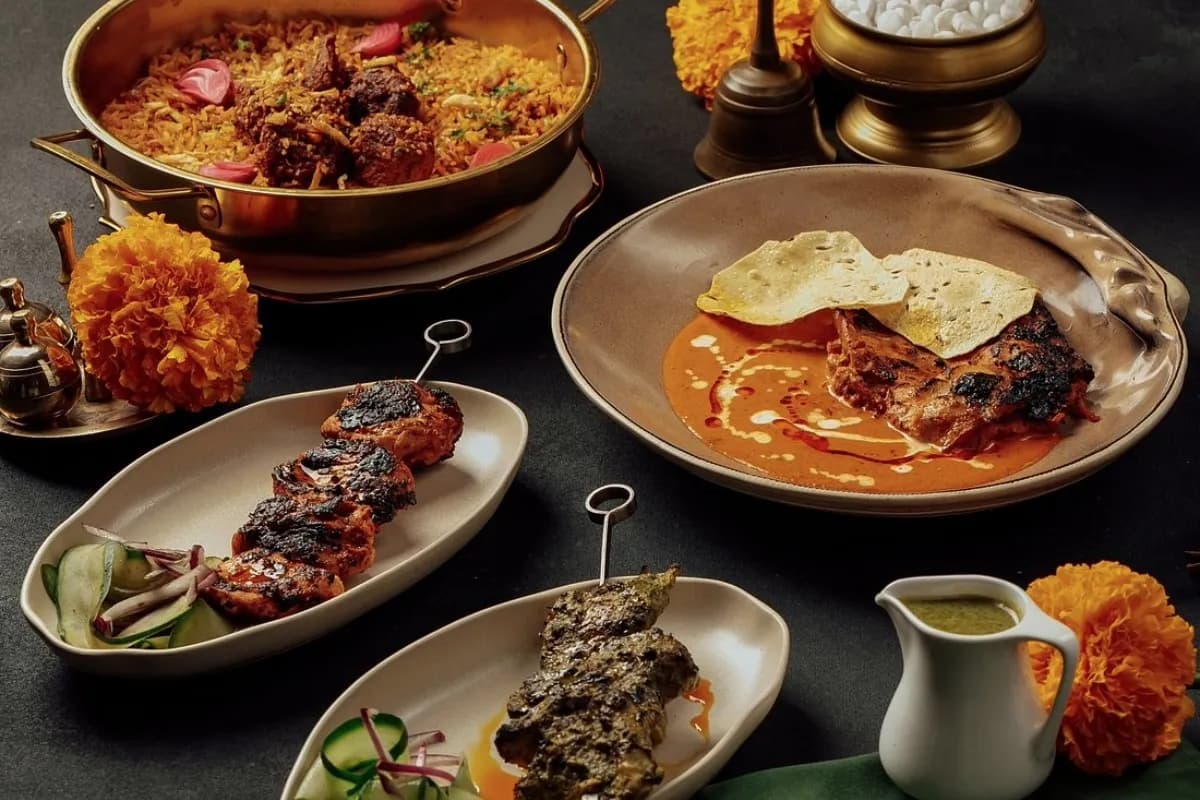
Craving Indian food in Bali? You will not have to look far, the island has plenty of restaurants serving it across many areas, including Ubud. Some dishes taste a little different from what you would find in India, but many kitchens stay true to traditional recipes and deliver real depth of flavour.
If you are wondering what Indian food on this island is really like, this guide explains what makes a restaurant authentic, how to read a menu by region, how to choose your spice level, and what to expect when eating in Ubud. Read on for the full details.
What Makes Indian Food in Bali Authentic?
Indian food is popular and easy to find, and Bali has Indian restaurants in many parts of the island. But if you love these dishes, choosing the best spot can feel confusing, and you may worry about ending up somewhere that misses the original taste.
That worry is fair, since Bali is not India and some restaurants adapt their recipes to local preferences. These five signs help you judge whether a kitchen cooks the way Indian food is meant to be cooked.
- A chef trained in Indian cooking
Indian cuisine relies on timing and instinct, such as knowing when spices have bloomed in oil or when a gravy has reduced enough. A chef who learned in an Indian kitchen, whether from India or trained under someone who was, carries that skill into every dish. Ask the staff about the chef’s background, because a proud kitchen will happily tell you. - Real spices, not just curry powder
Authentic cooking builds flavour from whole spices like cumin, cardamom, cloves, and cinnamon, often toasted and ground fresh. Blends such as garam masala are layered in at different stages rather than added once at the end. On the menu, look for details like Kashmiri chilli, fenugreek leaves, or asafoetida, since these suggest the kitchen sources its spices with care. - Traditional techniques
Many classic dishes depend on specific methods. Naan and tandoori chicken come from a clay tandoor oven that cooks at very high heat, which gives the charred edges and smoky flavour that a regular oven cannot copy. Tadka, where whole spices sizzle in hot ghee or oil before being poured over a dish, is another signature step, especially for dal. - Slow cooking that lets flavours settle
Dishes like dal makhani, made with black lentils simmered for hours, and mutton rogan josh, a Kashmiri curry braised until the meat turns tender, cannot be rushed. Slow cooking lets the spices soften and sink into the ingredients, which creates a deep, rounded taste instead of a sharp one. If a rich curry arrives within minutes of ordering, it was likely prepared with a shortcut. - A menu organised by region
Indian cuisine varies enormously from north to south, so a menu that names its regions, such as Punjabi, Kashmiri, or Kerala dishes, signals real knowledge. A menu that offers only a handful of generic curries with a choice of “chicken, beef, or vegetable” is usually built for convenience. The more specific the dish names, the more likely the kitchen cooks them properly.
North Indian vs South Indian Cuisine: How to Read a Bali Menu
Indian cuisine is incredibly diverse, and much of that variety follows geography, with each region offering its own dishes and flavour character. Here is how to read each style on a Bali menu, so you can order food that suits your palate.
North Indian and Mughlai Classics
North India is the home of many favourites, such as butter chicken, chicken tikka, and Mughlai biryani. Its cooking carries the culinary legacy of the Mughal Empire, which shaped the rich, aromatic style the region is known for.
Creaminess is the signature, built on yoghurt, cream, ghee, and nut pastes such as cashew, with warm spices like cardamom and cinnamon adding fragrance rather than sharp heat. Tandoor-cooked meats and breads are common, and naan, roti, and chapati usually sit alongside rice for scooping up the gravies.
South Indian Dishes and Ingredients
Compared to the north, South Indian food tastes fresher and tangier, with rice, lentils, and coconut at the heart of many dishes, and some regions bring serious heat. Gravies tend to be thinner and brothier than the creamy sauces of the north, as in sambar, a lentil and vegetable stew, and rasam, a peppery tamarind broth.
Mustard seeds, curry leaves, and dried red chilli are often sizzled in oil to start a dish, while tamarind adds the sourness and coconut gives sweetness and body. Popular picks on a Bali menu include masala dosa, a crisp fermented crepe filled with spiced potato, idli with coconut chutney, medu vada, uttapam, Kerala fish curry, and lemon rice, usually served with sambar on the side.
Kashmiri Cooking and Rogan Josh
Kashmiri food is less famous than North and South Indian cooking, but it is well worth trying if you want to broaden your palate. Found in the far north of India, it is known for rich, aromatic dishes with warm spices, shaped by Persian and Central Asian traditions.
The most iconic dish is rogan josh, a lamb or goat curry in a glossy red gravy, coloured by dried Kashmiri chilli and ratan jot, a natural dye from the root of the alkanet plant. Other classics from the valley include gushtaba, a smooth, springy lamb meatball simmered in a yoghurt gravy finished with ghee, and tabak maaz, lamb ribs gently simmered in spiced milk and then fried until crisp.
Kerala Parotta and Other Regional Dishes
Kerala, on the southwest coast of India, is the home of parotta, a flaky layered flatbread made from refined wheat flour (maida), water, and oil, and sometimes egg. It is crisp on the outside and soft within, and is best eaten hot with a meat curry, egg roast, or vegetable kurma.
Besides parotta, India’s other regions add plenty more to a menu. Here are some worth looking for:
- Chole bhature (Punjab): spiced chickpeas served with fluffy fried bread. It tastes tangy, hearty, and moderately spicy, made from chickpeas, onion, tomato, and spices, with bread made from refined flour.
- Hyderabadi dum biryani (Hyderabad): rice and meat sealed in a pot and steamed together. It tastes fragrant, savoury, and mildly spicy, made from basmati rice, marinated meat, saffron, fried onion, and whole spices.
- Goan vindaloo (Goa): a curry with Portuguese roots, usually made with pork or chicken. It tastes sharp, tangy, and hot, made from vinegar, dried red chilli, and garlic.
- Gujarati dhokla (Gujarat): a soft, steamed savoury cake. It tastes light, slightly sweet, and tangy, made from fermented chickpea flour batter and often topped with mustard seeds.
- Rajasthani dal baati churma (Rajasthan): baked wheat balls served with lentils and a sweet crumbled wheat mix. It tastes hearty, earthy, and rich, made from whole wheat, lentils, and plenty of ghee.
Indo-Chinese Dishes on an Indian Menu
Besides classic Indian dishes, many restaurant menus also list Indo-Chinese food, a style of Indian cooking shaped by Chinese flavours. It began with the Hakka Chinese community in Kolkata, which adapted its recipes to Indian tastes, and it has since become a favourite across the country.
Indo-Chinese dishes are usually spicy, tangy, and savoury, built on soy sauce, vinegar, tomato ketchup, and fresh green or red chillies, with ginger and garlic for aroma. They come either dry, tossed in a thick glaze, or with gravy, which pairs well with fried rice or noodles.
Two dishes to try are gobi Manchurian, crispy fried cauliflower florets tossed in a sweet, spicy, and garlicky sauce, and chilli paneer, cubes of fresh paneer cheese stir-fried with capsicum, onion, soy sauce, and green chilli. Many others sit on the same part of the menu, so ask the staff which ones the kitchen does best.
How Spicy Is Indian Food in Bali?
Indian cuisine has a reputation for heat, but much of its warmth comes from layers of aromatic spices rather than raw chilli. Compared with Balinese and other Southeast Asian food, which often comes with fiery sambal, many Indian dishes feel rounder and gentler, though styles like vindaloo and Chettinad curries can be seriously hot.
In Bali, many restaurants adjust their spice level to suit both international and local guests. Western visitors are usually served milder versions, while local diners often get a stronger kick.
Some kitchens still keep the heat true to the original, with generous spices and bold chilli. If you want that full-strength version, ask for it when you order.
How to Order Indian Food for the First Time
Want to try Indian food in Bali but worried about picking the wrong dish or the wrong level of spice? Here are a few tips to help you order with confidence.
First-Timers
If this is your first time at an Indian restaurant, start with familiar, gentle dishes such as butter chicken, chicken tikka, or dal makhani, which are mellow and comforting rather than overpowering. Pair them with warm naan or steamed rice, and choose mild if you are unsure about the heat.
Spice Lovers
If you enjoy heat, look for bold dishes like Goan vindaloo or Chettinad curry, and ask if the kitchen can add extra chilli on the side. If it still feels too tame, ask whether it can be cooked the original way instead of the toned-down version.
Vegetarian, Vegan and Jain Diners
Indian menus offer plenty of vegetarian options, such as paneer, chana masala, dal, and vegetable curries. Even so, ask about the ingredients, since cream, yoghurt, ghee, and paneer appear in many dishes, so vegan and Jain diners (who usually avoid onion, garlic, and root vegetables) should confirm the recipe and preparation with the kitchen first.
Groups Sharing a Table
Indian dishes usually come in generous portions, which makes them ideal for sharing with friends or family. Order a mix of mains, such as chicken, lamb or fish, and a vegetable curry, then add biryani or bread for the table.
A Guide to Eating Indian Food in Ubud
Step into Ubud and you will often spot Indian restaurants dotted around this tranquil area, from relaxed spots for casual meals to more elevated dining rooms.
To find the right one, use the menu-reading tips above and get a sense of the flavours on offer, whether North Indian, South Indian, Kashmiri, or another regional style.
Before you head out, check the restaurant’s website or social media to confirm that the dishes you want are on the menu. If you are dining with friends, family, or colleagues, book ahead, especially for a larger group.
What Indian Food Costs in Ubud
Indian food prices in Ubud vary widely, from affordable casual spots to pricier dining rooms, depending on the restaurant and what you order. Main dishes usually range from IDR 70,000 to IDR 180,000.
Breads and small bites start at around IDR 25,000, while larger sharing platters or set meals can reach IDR 340,000. Prices change often, so check the restaurant’s latest menu before you go.
Exploring Indian Food in Ubud at Sans Indian
One Indian restaurant worth adding to your Ubud list is Sans Indian Restaurant by Wonderspace. It serves authentic Indian cooking in a peaceful setting, with open views of the calm green rice fields Ubud is known for.
Located in Kenderan, just 23 minutes from Ubud centre, Sans Indian lets you enjoy the taste of India without leaving Bali. Its menu covers both northern and southern favourites, so you do not have to choose between regional styles.
For IDR 35,000 to IDR 185,000, you can try tomato dhania shorba, a creamy tomato soup scented with coriander and served with crispy sourdough, along with chicken tikka, lamb rogan josh, manchow soup, chilli paneer, lamb biryani, and much more. The list spans soups, grills, curries, Indo-Chinese plates, and rice dishes.
A breakfast set is also available for around IDR 115,000, with a main dish, pastry, fruit, vegetables, and a drink. The restaurant suits many occasions, from a relaxed brunch with friends to a romantic meal for two or a family celebration
Discover Authentic Indian Flavors in Bali
Enjoying the beauty of Bali pairs perfectly with food that delights the palate, and Indian food is one of the best ways to do it. With so many restaurants and regional dishes to try, you can savour the tropical atmosphere of Bali alongside the bold, rich flavours of Bollywood’s homeland.
To experience authentic Indian food in Bali, add Sans Indian Ubud to your list. It brings rich, delicious Indian flavours into the calm of Ubud, with green rice field views that soothe the mind, the eyes, and the stomach.