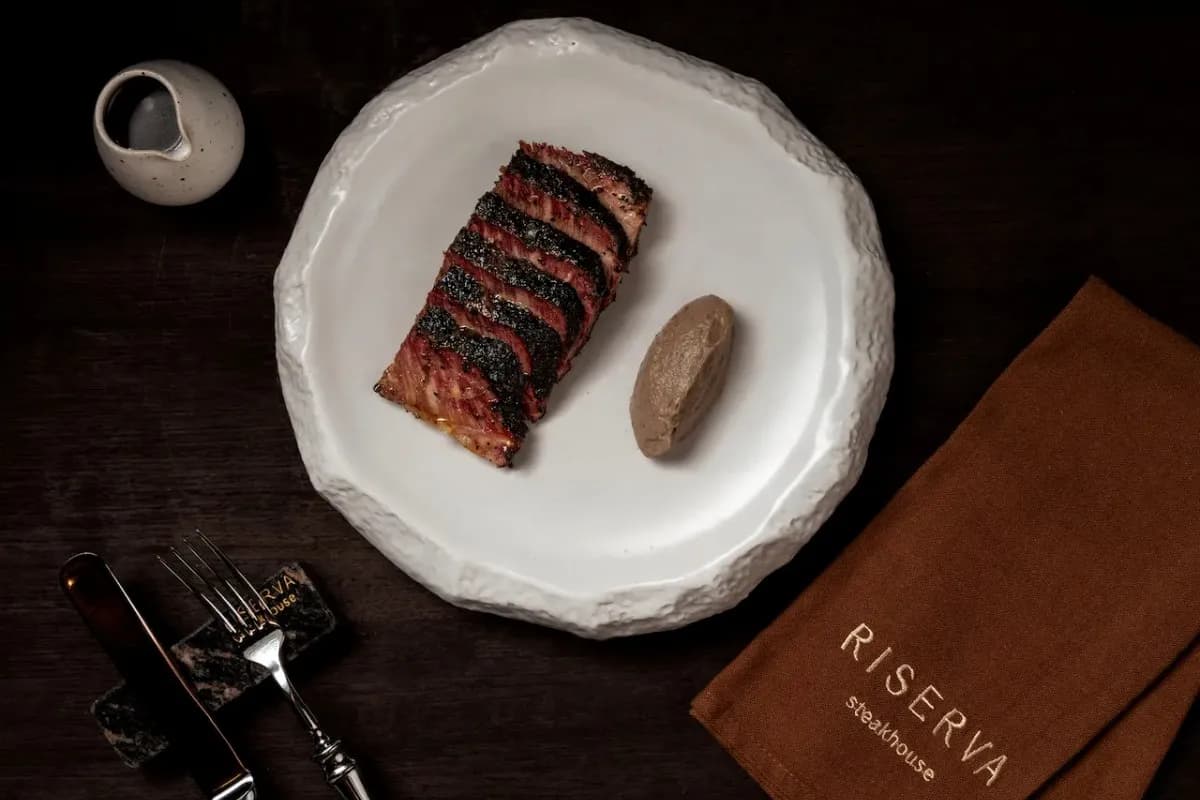
When visiting a steakhouse, you may wonder, “How to order steak?” to get a premium cut with perfect doneness. Enjoy a steak made to suit your taste, so every bite feels more rewarding.
Beyond doneness, sides, sauces, and wine matter too, since they round out the steak flavors and balance the plate. Learn how to order a steak that makes the whole meal feel complete.
What to Say When Ordering Steak
Ordering steak can feel quite intimidating, especially when the waiter asks about the cut, doneness, or sauce. A good steak cuts guide is the key to a more refined dining experience, so it is worth knowing before you order.
- Choose your cut: “I’d like the ribeye steak, please.”
- Ask for a recommendation: “Which steak cut would you recommend?”
- Specify your preferred doneness: “I’d like my steak medium rare, please.”
- Ask about the difference between cuts: “What’s the difference between ribeye and tenderloin?”
- Choose your sides: “Can I have mashed potatoes and grilled vegetables on the side?”
- Select your sauce: “I’d like mushroom sauce with my steak, please.”
- Ask about the portion size: “How big is the steak?”
- Request a pairing recommendation: “Which wine would pair best with this steak?”
- Confirm your order: “I’ll have the sirloin, medium, with peppercorn sauce, please.”
When ordering steak, you must mention your preferred cut. Then, ask about doneness and sides to make your dining experience feel more complete and fulfilling.
Choose Your Cut
The first thing to do when ordering steak is to pick a cut that matches your taste and preferred texture. Each cut balances tenderness, flavour, and fat differently, so understanding how they compare makes it easier to choose well.
Tender vs. Flavorful: Tenderloin, Sirloin and Ribeye
Comparing Tenderloin vs. Sirloin can help you get a preferred cut of meat. Tenderloin is the most tender, with a lean texture and mild beef flavor, ideal for those who prefer a soft, buttery steak without much fat.
Meanwhile, Sirloin has moderate fat content with a firmer bite. It is a good choice for those who want a satisfying steak without excessive marbling, with a savory taste once you bite it.
Ribeye steak is known for its generous marbling, juicy texture, and rich beef flavor. This cut is ideal for those who prefer a more flavorful steak with a higher fat content that melts in the mouth.
Striploin, Picanha and Bavette
Another steak cut explained is Striploin. It is known for its rich beef flavour, moderate marbling, and firm yet tender texture, as it typically has a strip of fat along one edge and is a good choice for those who enjoy a balance of tenderness and flavor
Picanha stands apart, recognised by its thick fat cap that lends richness and juiciness as it cooks. The cut delivers a tender bite and a bold beef flavour, especially when grilled.
Last but not least, Bavette, also called flap steak, is known for its loose grain, satisfying chew, and deep beef flavour. For the best result, slice it thinly against the grain so every bite turns out more tender.
What Marbling Scores Mean on a Wagyu Menu
Wagyu steak stands out for its marbling scores. These scores indicate the amount of intramuscular fat distributed throughout the meat, influencing its tenderness, juiciness, and richness.
- Low Marbling (BMS 1–3): Less intramuscular fat, offering a leaner texture and more pronounced beef flavour.
- Moderate Marbling (BMS 4–6): A balanced amount of fat that adds tenderness and juiciness without being overly rich.
- High Marbling (BMS 7–9): Abundant marbling that creates a softer texture, richer flavour, and a buttery mouthfeel.
- Exceptional Marbling (BMS 10–12): Extremely fine and abundant fat distribution, delivering a luxurious, melt-in-your-mouth texture.
Higher marbling scores generally mean richer, more tender beef. However, they don’t automatically indicate better flavor to everyone, so it is worth confirming the marbling amount in Wagyu steak with the server.
Steak Doneness Levels Explained
After selecting the steak cut, consider steak doneness level. It refers to how thoroughly the meat is cooked, affecting its color, texture, juiciness, and overall eating experience in the steakhouse.
- Rare (50–52°C): Seared on the outside with a cool, red centre. The meat remains very soft and juicy.
- Medium Rare (54–57°C): Warm, red to pink centre with a tender, juicy texture. A popular choice for enjoying the natural flavour of beef.
- Medium (60–63°C): Warm, pink centre with a slightly firmer texture. Offers a balance between tenderness and a more cooked steak.
- Medium Well Steak (65–68°C): Mostly cooked through with a slight hint of pink in the centre. Firmer in texture with less juiciness.
- Well Done (71°C and above): Fully cooked with little to no pink remaining. Has a firm texture and is generally less juicy than other doneness levels.
If you are unsure about doneness level, ask the server and let them know your preference. Choose the doneness that suits you best, and savour the natural taste of the meat cut you picked.
Is Steak Better Rare or Medium Rare?
Whether rare or medium rare, a steak cut stands out differently, which depends on your preference for texture, temperature, and juiciness. Both options preserve the natural flavor of beef, but offer slightly different eating experiences.
A rare steak has a cool, red center and a very soft texture, with minimal cooking. It suits those who prefer the natural tenderness of the meat over a fully cooked bite.
Meanwhile, medium rare has a warm, red to pink center and a tender, juicy texture. It cooks a little longer, which lets more of the fat soften, and that makes it a popular choice for cuts like ribeye and striploin
Why Doneness Depends on Marbling
The amount of marbling in a steak influences which doneness level brings out its best flavor and texture. Intramuscular fat softens when the steak is cooked, contributing to a juicier, richer dining experience.
- Low Marbling: Leaner cuts like tenderloin contain less intramuscular fat and can become dry when overcooked. Rare to medium rare is often preferred to maintain tenderness and moisture.
- Moderate Marbling: Cuts like sirloin and striploin offer a balance of lean meat and fat. Medium rare to medium allows the steak to develop flavour while maintaining a tender texture.
- High Marbling: Richly marbled cuts like ribeye and Wagyu benefit from enough heat to soften and render some of the fat. Medium rare to medium is often recommended for a juicy texture and rich flavour.
The more marbling a steak has, the more it may benefit from slightly longer cooking to soften the fat. However, the ideal doneness also depends on the cut, thickness, and personal preference.
Ordering a Sharing Cut
When you dine with a partner or a large group at a steakhouse like Riserva, sharing a cut is part of the experience. A shared cut is a great way to enjoy larger portions, as steak is typically thicker and served sliced.
- Tomahawk: A thick, bone-in ribeye with generous marbling and rich beef flavour. Its large size makes it a popular choice for sharing between two or more people.
- Porterhouse: Combines tenderloin and striploin in one large steak, separated by a T-shaped bone. Ideal for sharing if you want to experience two different textures and flavours.
- Bone-In Ribeye: Offers a juicy, richly marbled texture with a bold beef flavour. Larger portions can be sliced and shared at the table.
- Steak Weight: Sharing cuts are often priced by weight, so check the portion size before ordering. Remember that bone-in steaks include the weight of the bone.
- Preferred Doneness: Since a sharing steak is usually cooked as one piece, agree on your preferred doneness before ordering.
When ordering a sharing cut, ask the server, “How many people would you recommend this steak for?” or “Could you slice the steak for sharing?” It makes the dining experience more convenient.
Sauces, Salts and Butters
The right sauce and seasoning can enhance the natural flavor of your steak without overpowering it. From the classics to simple finishing salts and flavoured butters, every option adds its own layer of taste to the meal.
- Peppercorn Sauce: A creamy sauce with a warm, peppery kick that complements the rich beef flavour of ribeye and sirloin.
- Mushroom Sauce: A savoury, earthy sauce that pairs well with tenderloin and other leaner steak cuts.
- Béarnaise Sauce: A rich, buttery sauce made with egg yolks, clarified butter, vinegar, and tarragon. Its tangy flavour balances the richness of grilled beef.
- Chimichurri: A fresh, herb-based sauce typically made with parsley, garlic, vinegar, and olive oil. Its bright acidity works particularly well with picanha and bavette.
- Sea Salt or Flaky Salt: A simple finishing seasoning that enhances the natural taste of beef without adding heavy flavours.
- Compound Butter: Butter mixed with ingredients such as garlic, herbs, or truffle. It melts over a warm steak, adding richness and aroma.
Consider starting with a small amount of salt to appreciate the steak’s natural flavor. You can always request sauces on the side to explore different combinations, so the experience is fulfilling.
Sides That Balance a Steak
Sides play a key part in a great steak dinner, bringing a mix of flavours and textures to the plate. From creamy potatoes to fresh vegetables, the best sides complement the beef’s richness without compromising its natural flavor.
- Mashed Potatoes: Creamy and buttery, offering a smooth texture that pairs well with tenderloin, sirloin, and ribeye.
- French Fries: Crispy on the outside and soft inside, providing a satisfying contrast to the tender texture of steak.
- Grilled Vegetables: Vegetables such as asparagus, zucchini, and bell peppers add freshness and a lightly smoky flavour that balances rich cuts.
- Sautéed Mushrooms: Earthy and savoury, making them a great match for ribeye and striploin without overpowering the beef.
- Creamed Spinach: A classic steakhouse side with a rich, creamy texture that complements grilled beef.
- Fresh Green Salad: Light and refreshing, especially with a tangy vinaigrette that helps balance the richness of Wagyu or other well-marbled steaks.
- Roasted Potatoes: Crispy edges and a soft centre make them a satisfying choice for both lean and fatty steak cuts.
Each side works ideally for meat cuts. However, well-marbled cuts like Ribeye and Wagyu pair well with lighter sides such as grilled vegetables or a fresh salad, while tenderloin can pair with richer options like mashed potatoes.
Pairing Wine with Steak
The right wine can lift the flavour of your steak and bring more balance to the meal. The best pairing depends on the cut, marbling, cooking method, and sauce, as different wines offer varying levels of acidity, tannins, and body.
- Cabernet Sauvignon: A full-bodied red wine with firm tannins that pairs well with richly marbled cuts like ribeye and striploin.
- Merlot: A smooth, medium to full-bodied red wine with softer tannins. A good choice for tenderloin and sirloin, especially when served with mushroom sauce.
- Malbec: Known for its dark fruit flavours and moderate to firm tannins, it pairs excellently with grilled sirloin, picanha, and bavette.
- Syrah/Shiraz: A bold red wine with spicy, peppery notes that pairs well with smoky, grilled steaks like ribeye and striploin.
- Pinot Noir: A lighter-bodied red wine with bright acidity and delicate tannins. Ideal for leaner cuts like tenderloin or steaks served with mushroom-based sauces.
- Chardonnay: A full-bodied white wine, especially when aged in oak, that pairs well with tenderloin served in a creamy or buttery sauce.
Choose a bold red wine for fatty, richly flavoured steaks and a lighter wine for leaner cuts. If you’re unsure, ask the server, “Which wine would you recommend with this steak?”
Reserve Your Table at Riserva
Now that you know how to order your steak cut, preferred doneness, sauces, and wine pairing, it’s time to put your knowledge into practice. For a memorable steak dining experience in Bali, Riserva Steakhouse by The Wonderspace offers a selection of premium beef cuts in an elegant setting overlooking the rice fields of Kenderan.
Whether you’re planning a romantic dinner, celebrating a special occasion, or simply enjoying a quality steak, Riserva is worth considering. Explore the menu and reserve your table through the official Riserva website to plan your next steakhouse experience in Ubud.