There are many ways to enjoy your holiday in Pulau Dewata, and trying a degustation in Bali is one of the interesting experiences you should not skip. This island offers plenty of fine dining restaurants in every area, each with a tiered set menu designed to elevate your culinary journey for any special occasion.
But one thing to note before you book or reserve a table is that not all degustation menus can match every occasion, because each chef usually has their own narrative for their creation. That’s why this article will give you everything you need to know before you choose a tasting menu in Bali that is worth the occasion.
Why a Degustation Meal Feels Different From an Ordinary Dinner
What is a degustation menu? Degustation is a French term for “tasting.” It’s a type of menu presentation where a restaurant serves guests a set meal (usually 5 to 12 small portions), from appetizers and main courses to dessert. This kind of dining offers a different experience from a regular meal, letting you enjoy a culinary adventure and the story behind every dish over a span of two to three hours.
If the main focus of a regular dinner is to fill you up with large portions, degustation takes a different approach. It usually consists of small portions, but each one that reaches your table is carefully arranged by the chef, almost like a story. This experience gives guests an opportunity to experience an emotional arc, from a savory, heavy dish to something fresh at the end.
A degustation can also serve as a showcase for the chef, who will use advanced techniques, experimental methods, or molecular gastronomy to create every dish. They will also serve the food with artistic presentation, texture, and combinations that aren’t ordinary. Besides that, every dish is also paired with a specific wine, tea, or cocktail to enhance the flavor profile.
During the dinner, the waiter or chef will also tell a story behind every dish, from the origin of the ingredients used to the inspiration and how to eat it, before you take your first bite.
Degustation Compared With Chef’s Table, Omakase, and À La Carte
In the culinary world, there are several dining experiences, with degustation being one of them. Each format offers its own characteristics and appeal that set it apart from the rest. Below is how this style compares with the others.
| Aspect | Degustation | Chef’s Table | Omakase | À la Carte |
| How the menu works | The chef arranges a fixed multi-course set, usually with 5 to 12 small portions | Similar to degustation, each course is served while the guest sits at a table near the kitchen | The chef selects the freshest ingredients of the day and decides the menu accordingly | Guests are free to choose any dish they want from the menu |
| Chef interaction | The chef tells the story behind each dish, though direct interaction is limited | Direct interaction is high, as the chef talks with guests while cooking | Direct interaction is high, as the chef personally prepares and serves each dish to the guest | There’s no direct interaction between chef and guest, usually communicated through the waiter instead |
| Duration | 2 to 3 hours | 2 to 3 hours | 1 to 2 hours | Flexible |
| Price | A fixed price per set | A fixed price per set, though sometimes with an additional cost for the experience | Price varies depending on the chef’s reputation | Price is calculated based on the dishes ordered |
| Best for | Special occasions and culinary adventure | Guests who want to watch the chef’s cooking process up close | Guests who are willing to place full trust in the chef | Casual dining, with full control over what you order |
What a Degustation Dinner Costs Across Bali
Degustation dinner prices across Bali vary, depending on the restaurant’s class, the number of courses, and the chef’s reputation. As a general guide, you can expect to spend between Rp350,000 and Rp3,000,000 per person before tax, with some high-end venues charging even more.
Degustation Experiences Worth Considering in Bali
If you want to have a degustation experience during your time in Bali, this island offers plenty of restaurant options for it, but which ones are worth considering? Here are some recommendations:
- Riserva Ubud: a fine dining restaurant in Ubud with a modern European steakhouse concept, set against a beautiful valley and rice paddy view. This place offers a degustation experience through “An Evening in Seven Chapters,” where you can enjoy the dishes across seven stages of the journey in an intimate atmosphere. It serves premium cuts of steak, such as Wagyu Picanha and A5 Miyazaki Striploin, paired with world-class curated wines.
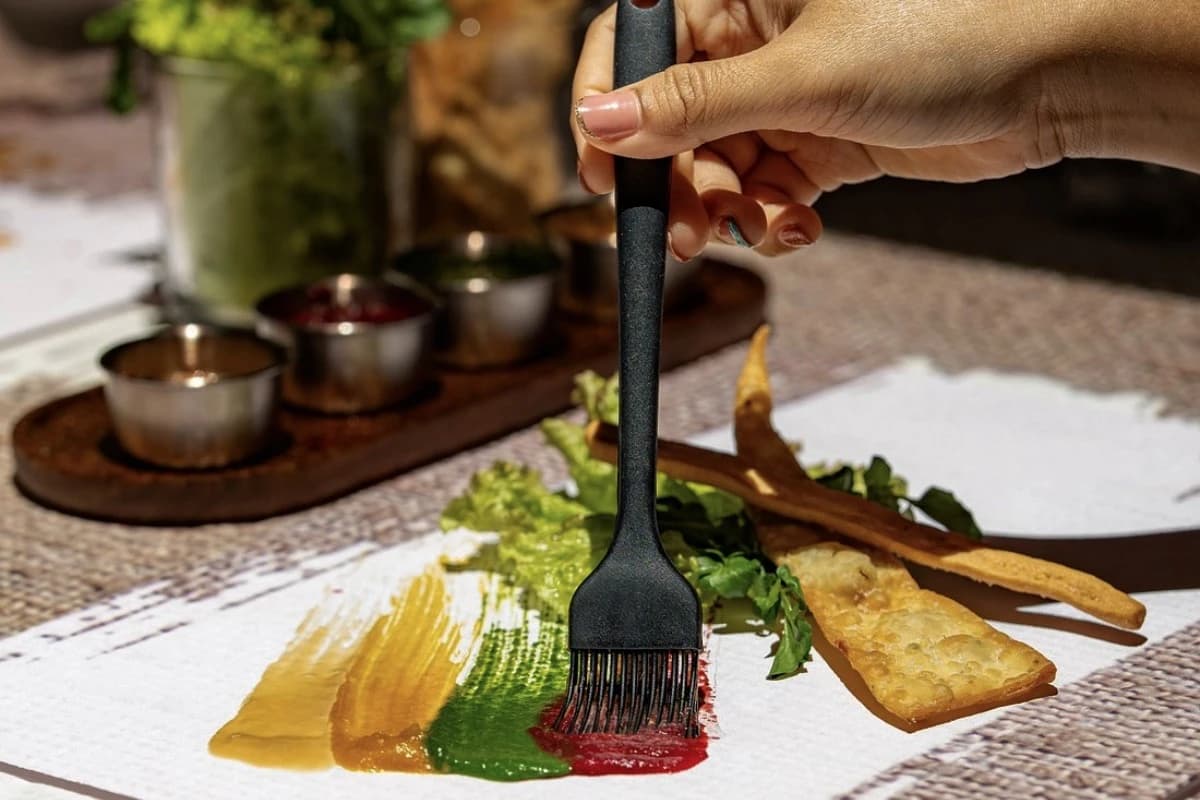
- Seven Paintings Ubud: a perfect place in Ubud for those who want an extraordinary degustation experience. Different from typical fine dining, this restaurant offers an interactive experience with a tasting menu that combines visual art, 3D digital animation, storytelling, and gastronomy. Here you can savor seven courses inspired by iconic figures from the art world, including Van Gogh, Dalí, Picasso, Banksy, and more.
- Mauri Restaurant: a contemporary Italian restaurant in Seminyak that serves a chef’s degustation menu as its main culinary experience. The restaurant is led by Chef Maurizio Bombini and offers several signature tasting menus, available in 5-course or 7-course formats, inspired by the culinary roots of southern Italy.
- Mozaic Restaurant Gastronomique: a pioneer of degustation fine dining in Bali that combines local ingredients with classic French cooking techniques. This place serves a 6-course or 8-course set menu, arranged by Chef Chris Salans and Chef Blake Thornley. It also offers an intimate and romantic ambience with a touch of tropical nature.
- Koral Restaurant at The Apurva Kempinski: another great option for an extraordinary degustation experience in Bali. This place offers a multi-course dining experience through its Koral Gourmet and Koral Experience menus, which combine the rich spices of Indonesian coastal flavors with bistronomy. It has an elegant and romantic atmosphere, where you can dine in a room with aquarium walls surrounded by thousands of fish.
How Wine and Beverage Pairing Works Inside a Degustation Menu
Every degustation course is typically paired with a specific beverage, whether it’s wine, tea, or a cocktail. This combination isn’t random, as it’s usually chosen carefully to enhance the dish’s flavor profile.
This selection is usually made by the sommelier, based on the character, acidity, and spice of each dish. The pattern generally starts with the lightest pick for the starter, then moves to bolder choices as the main course arrives.
By the time dessert comes, the pairing shifts once more to a sweet wine or drink that closes out the meal.
Choosing the Right Degustation for the Occasion
There’s a wide range of degustation restaurants in Bali, each with its own concept and charm. To get the most out of the experience, you should match your choice with the occasion, whether it’s a romantic dinner, a family gathering, or a business banquet.
The atmosphere of the venue is one of the most important things to consider. Restaurants with an interactive concept, such as visual storytelling, tend to suit more intimate settings better.
Besides that, you should also think about the duration and number of courses, as a brief occasion pairs well with a 5-course menu rather than a longer, more elaborate one.
And don’t forget to check whether your chosen restaurant offers a wine pairing or not, especially if you’re celebrating a special moment.
Booking, Dietary Needs, and Dress Code for a Degustation Dinner
Most degustation restaurants in Bali require you to book a table well in advance, especially on weekends or during high season, since these venues usually have limited seating, unlike a regular restaurant.
When you book a table, don’t forget to tell the staff about any specific dietary needs you may have, such as allergies, vegan, vegetarian, or halal requirements, so the chef can adjust the menu accordingly.
As for the dress code, most restaurants tend to lean smart casual, though some places call for more formal attire. Avoid overly casual outfits like sandals or T-shirts, so you don’t feel out of place or underdressed.
When a Degustation Dinner Becomes More Than a Meal
Enjoying a Bali holiday through its culinary scene is one of the most interesting ways to experience the island, and degustation is something you cannot skip. With the beautiful backdrop of the island’s tropical nature, your dinner transforms into an extraordinary experience that goes beyond the food itself.
If you’re looking for the most interesting degustation in Bali, Riserva Ubud and Seven Paintings Ubud deserve a spot on your radar. These restaurants offer a unique dining experience through seven courses, paired with an intimate setting that can turn your night into something truly memorable.