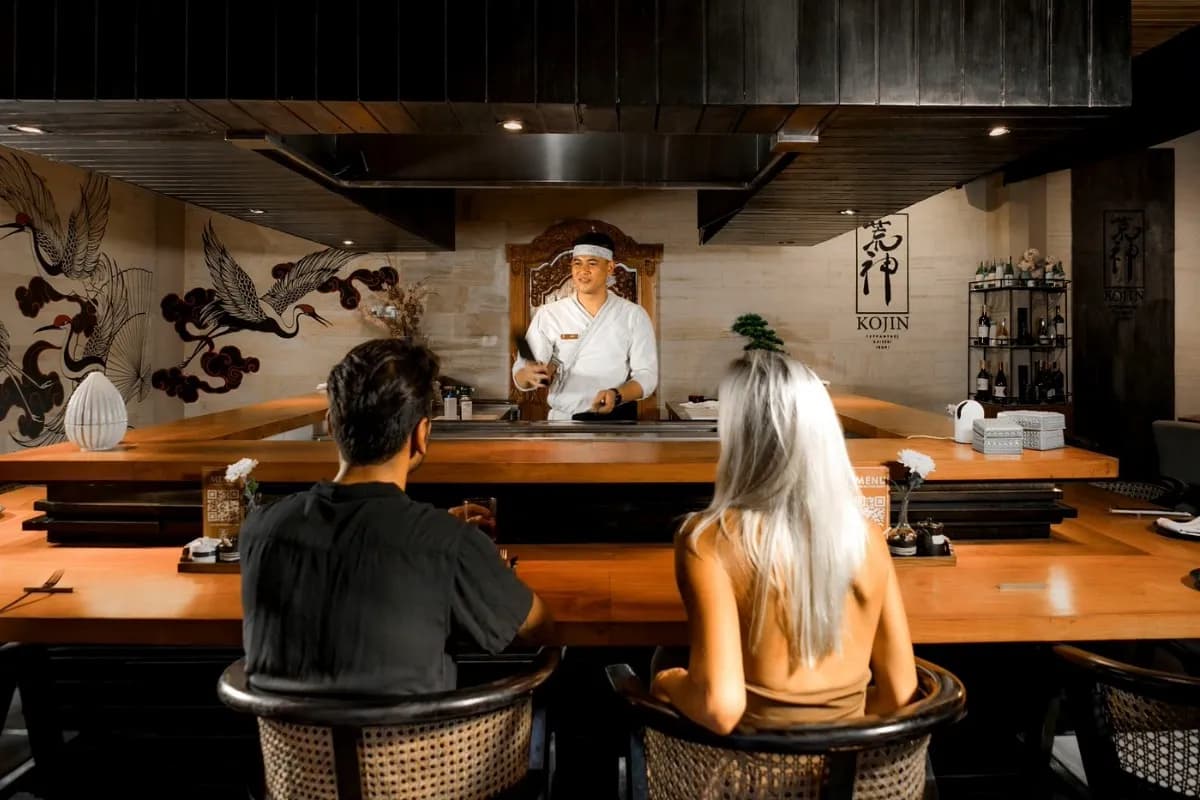
Omakase Bali is beyond a dining trend. It is a refined culinary experience where every detail is placed in the chef’s hands. This concept has been evolving in Bali, so tourists can try this type of fine dining.
The experience of enjoying omakase is even more immersive nowadays. It is blending Japanese techniques with the island’s rich flavor, leaving a remarkable taste on the tongue. Therefore, here is the guide to try the best omakase in Bali 2026.
What Makes Omakase in Bali Unique
Like its name, “omakase” in Japanese means “I will leave it up to you,” where culinary adventures leave all their trust to chefs. They believe that the chefs can serve the best food on their plate.
A thing that makes this experience unique in Bali is that chefs use locally sourced ingredients for the menu. They combine the ingredients with the Japanese techniques, creating rich flavors in every layer of the menu.
Furthermore, omakase in Bali is rarely formal in terms of setting and ambiance. It can unfold in open-air pavilions, jungle-view restaurants, or intimate design-led spaces, heightening the sensory experience.
This uniqueness attracts tourists to try this kind of dining experience in Bali. The experience is next-level, leaving a good impression for the culinary adventures. So, they can immediately reserve a table at the best restaurants in Bali.
How an Omakase Experience Actually Works
Omakase has its own flow to serve culinary adventures with a great taste of authentic Japanese cuisine. It works with their signature steps, unfolding each layer of cuisine served on the guest’s plate.
Course Progression from Start to Finish
Omakase in a Japanese restaurant in Bali unfolds like a story. Every layer of cuisine has its own story, which is being told by chefs. The sequence will start with zensai or appetizers, where refined bites awaken the senses without overwhelming the palate.
Afterwards, the culinary adventures will be served with a sashimi course. It focuses on the purity and precision, as its slice of fish is served at the ideal temperature and cut. This stage allows the guests to appreciate the natural flavor and texture of premium ingredients.
Yakimono or grilled dishes add warmth and subtle smokiness to the progression. Even some experiences may include a palate cleanser or seasonal intermezzo, offering a refreshing pause before the final savory courses.
Near the end of the course progression, guests will encounter heavier or signature dishes, including a comforting soup, a bold-flavored roll, or a chef’s special creation. Then, the journey concludes with dessert, which brings a clean and satisfying finish.
Interaction Between Chef and Guest
Omakase invites guests to interact with chefs. While cooking and serving the cuisine, chefs will tell a story behind the food. It helps the guests to understand the philosophy behind the cuisine they eat.
In Bali, the best sushi restaurant offers an omakase feel warmer and more relaxed while guests interact with chefs. It blends the Japanese discipline with the island’s natural hospitality.
Counter Seating vs Table Experience
There are differences between these two seating placement experiences. A counter seating or table brings its own signature, where guests will have remarkable memories that they will never forget.
Counter seating makes the ambiance feel most alive. Guests will sit directly in front of the chef’s place, as they can watch each slice, flame, and final touch happen in real time. It allows guests to immerse themselves before enjoying the cuisine.
On the other hand, table experience offers a more relaxed and social atmosphere. It is ideal for groups where conversation flows more freely. This experience comes with beautiful surroundings, like jungle views, ocean backdrop, or thoughtfully designed interiors.
Best Omakase Restaurants in Bali Worth Trying
Trying the best omakase in Bali will enrich the delicacy of Japanese cuisine flavors for culinary adventurers. They will know how this type of dining experience in Bali unfolds, layer by layer of cuisine served, that is leaving a good impression of the food.
Kojin Bali
Kojin Bali is not a casual Japanese restaurant. It is a curated culinary destination, bringing together three distinct dining options under one roof, which are Teppanyaki, Kaiseki, and Irori.
Omakase experience here becomes poetic. The multi-discourse dining style focuses on balance, seasonality, and presentation. Each cuisine of this experience reflects harmony between taste, texture, and visual beauty. It creates a slow, thoughtful progression from start to finish.
With all these experiences, Kojin Bali is included as one of the top teppanyaki restaurants for Japanese food lovers. They will never regret visiting this culinary destination because it gives a magical experience of enjoying the menu in this kind of dining experience.
Shichirin Bali
Using the charcoal grilling style, Shichirin Bali develops the idea of serving food in a next-level stage. The concept delivers an experience-driven approach to dining. Guests can explore a variety of flavors, from grilled skewers to sushi and modern Japanese dishes.
It stands out for the culinary adventures because Shichirin Bali makes Japanese cuisine feel accessible, social, and exciting. The quality is completely high-end, which is ideal for guests who want a balance between great food, good vibes, and a memorable night in Bali.
Norii Bali
Leaning a lot into modern Japanese fusion, Norii Bali blends classic elements like sushi, sashimi, and grilled dishes with creative twists. The menu in Norii Bali is designed more flexibly, so guests can mix and match dishes to explore more tastes and textures.
Norii Bali, as the destination of sushi omakase in Bali, does not offer any storytelling. Nevertheless, it still delivers a sense of experience through its presentation and flow. Each dish arrives with appealing visuals and balanced flavors, creating a dining rhythm that feels seamless and enjoyable.
Other Notable Omakase Spots
Sitting in the hotspot area for tourists, Kenji Omakase appears as one of the best Japanese restaurants in Canggu. It is known for its intimate counter seating and approachable pricing, attracting culinary adventurers.
This restaurant focuses more on the connection between chefs and guests. The seating coordination is typically limited to a small counter, allowing chefs to engage directly to explain the course, share insights about ingredients, and adjust flows.
How to Choose the Right Omakase Experience
Choosing the right omakase in Bali is not just limited to the food. It is about matching the experience to guests’ mood, expectations, and occasion. Here is how to find the most suitable authentic Japanese restaurant.
Price Range and What You Get
The price range of omakase varies. With the money that culinary adventurers spend, they will get different courses. Here is the list of price ranges and what guests get after reserving a table in the omakase restaurant.
- Entry-Level Omakase (IDR 300.00 – 700.000 per person): They will get 8-12 courses, starting from appetizers, sashimi, and basic nigiri. The food is mixed with local and imported ingredients.
- Mid-Range Omakase (IDR 700.000 – 1.500.000 per person): Guests will get 12-18 courses with stronger chef interaction and storytelling, so they can immerse themselves while enjoying the cuisine.
- Premium Omakase (IDR 1.500.000 – 3.000.000+ per person): It provides 18-25_ courses with premium and seasonal ingredients (uni, otoro, Hokkaido
scallops, etc). The guests will get a strong storytelling.
Casual vs Premium Omakase
Casual omakase is perfect for culinary adventurers who want to enjoy the concept without the pressure. The atmosphere feels less intimidating, as it is more laid-back. Nonetheless, they can still get the best cuisine with simpler plating and presentation.
Meanwhile, premium omakase brings a concept where experience is more personal and refined. From the ingredients to the timing, it is all carefully controlled to create a seamless journey.
The key difference between these two is casual; one feels fun, relaxed, and exploratory, while the premium dining experience feels intentional, intimate, and unforgettable for the guests.
Location-Based Selection
With beautiful nature, Bali offers many good backdrops for culinary adventurers to enjoy the omakase.
To feel the serenity and less-crowded ambiance, guests can come to Ubud, which serves omakase. A stretch of lush jungle views makes the ambiance of enjoying cuisine more relaxed.
For adventurers who want to enjoy a trendy and social experience, they can visit the best sushi restaurants in Canggu. It feels more casual, which is perfect for social dinners with friends.
Reservation Tips and Dining Etiquette
Making reservations in advance is important. Culinary adventurers have to know the tips for reserving a table in the restaurant. They also have to know the dining etiquette, as enjoying omakase feels like having a fine dining experience.
When to Book Omakase in Bali
If guests want to celebrate special occasions, like anniversaries or birthdays, they can reserve a table in the restaurant in advance. It helps guests to get to the table, and celebrations go seamlessly.
Moreover, if culinary adventurers want to gather with large groups, they can reserve first before coming to the restaurant. It helps them to get a perfect table to talk and exchange stories.
Do’s and Don’ts During the Experience
Knowing do’s and don’ts during enjoying this kind of dining experience is a part of dining etiquette. It prevents them from making mistakes while enjoying the food with storytelling from the chefs.
- Do’s: Guests can trust the chefs, eat immediately when food is served, use their hands for nigiri sushi, and engage with chefs by saying thank you, and follow the pace to enjoy the rhythm, not rushing the agenda.
- Don’ts: Never drown sushi in soy sauce or mix wasabi into soy sauce, since it can unbalance the taste. Guests should also avoid using strong perfumes that can interfere with the delicate aroma of dishes. Lastly, guests shouldn’t get distracted by their phones or request major changes mid-course because it can disrupt the curated flow.
Comparing Omakase vs Other Japanese Dining Styles
This dining experience brings a distinct experience for culinary enthusiasts. They can feel the differences between it and other Japanese dining styles. Here is the explanation of key differences between omakase and other Japanese dining styles.
Omakase vs Kaiseki
The entire experience of this kind of dining is driven by the chefs. There is no fixed menu, as the chefs decide what to serve based on ingredients and guests’ preferences. It has a dynamic and flexible flow, where each piece is served individually at the perfect time.
Kaiseki is a traditional Japanese multi-course meal that is rooted in tea ceremony culture, with a strong emphasis on harmony and balance. It has fixed courses structure and focus more on seasonality, aesthetics, and balance. Guests who come to Kaiseki will also have less direct interaction with the chefs.
Omakase vs Sushi Tasting Menu
Since omakase is a chef-led experience, guests leave all their trust to chefs. The menu is not set, as the chefs decide each course. Dishes may change depending on seasonality and guest preferences. They also get strong storytelling from chefs.
It is completely different from a sushi tasting menu, which has a set menu. The sequence of food is fixed. Dishes are even served in groups or courses, not one by one. There is also less interaction between chefs and guests.
Is Omakase in Bali Worth It for Your Trip
Trying omakase in Bali is totally worth it, as it is often served in a place that culinary adventurers never expect. They can try this dining experience with a lush jungle or a clifftop as the backdrop. There are many omakase restaurants to visit in Bali. Discover more about omakase and any food journey insight through The Wonderspace website, which provides information for families, couples, and groups.