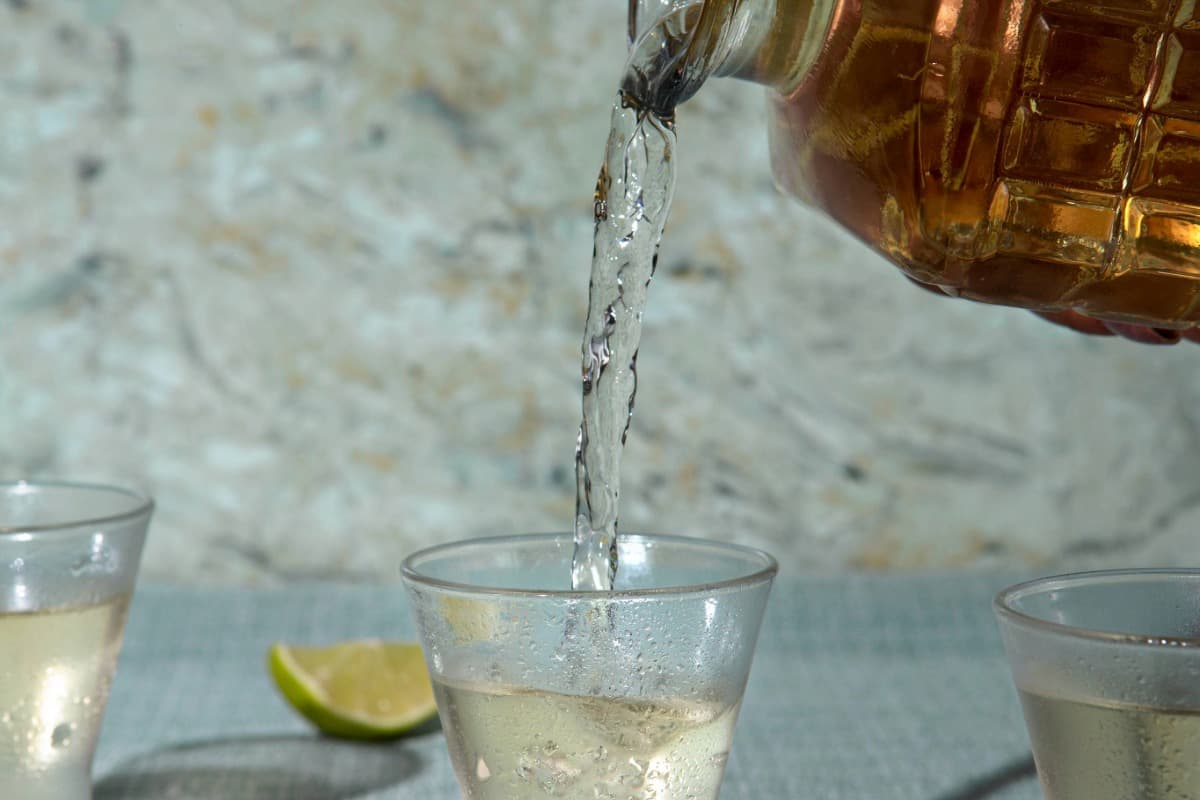
Many travelers wonder, what is arak bali? This local spirit is commonly served during traditional ceremonies and in beachside bars. This local liquor is a deeply rooted Balinese spirit, has transitioned from a humble village staple to a protected cultural heritage of Indonesia.
Understanding this spirit requires looking at its history, production methods, and its integral role in the island’s social fabric. This guide provides in-depth information about arak alcohol in Indonesia, allowing you to appreciate it like a local. Here’s everything you need to know about arak bali.
What Is Arak Bali?
Arak Bali is a distilled alcoholic beverage indigenous to the island of Bali. It is a clear, colorless liquid that serves as a cornerstone of wellness, rituals, and social gatherings across the island.
Unlike the anise-flavored arak found in the Middle East, this spirit relies on tropical ingredients. It is officially recognized as part of Indonesia’s Intangible Cultural Heritage and has already gained worldwide attention.
It is often used in religious ceremonies as an offering to the gods, known locally as tabuh rah. For locals, it is more than just a drink, it is a symbol of hospitality and communal brotherhood.
How Arak Bali Is Made
To understand what arak Bali is made from, it’s essential to know its production process. It is made from the fermented sap of coconut palms, sugar palms (aren), or the lontar palm tree, which grows everywhere across the island.
This sap, called tuak, is collected by local farmers who climb high into the trees to tap the flower stalks. The Bali arak coconut variety is particularly popular in coastal regions where coconut trees are abundant.
After collecting the sap, it undergoes a natural fermentation process before being distilled using traditional wooden or bamboo apparatus. This process ensures that the traditional drink retains its village roots.
What Does Arak Bali Taste Like?
The arak bali taste is often described as robust, earthy, and slightly smoky, depending on the wood used during distillation. As a raw spirit, it can have a sharp initial bite followed by a lingering fruity or floral finish.
The natural sweetness of the palm sap often hides beneath its fiery exterior. Compared to other spirits, it tastes somewhat similar to rustic white rum or a very strong sake (Japanese liquor).
Many enjoy it mixed with honey and lime, a concoction known as “Arak Madu.” This blend softens the alcohol’s intensity and highlights the unique aromatic profile of the palm spirit.
Arak Bali Alcohol Percentage and Safety
A common inquiry about arak bali concerns its alcohol percentage. The alcohol percentage of this typically ranges from 30% to 50% ABV (Alcohol by Volume), though some home-brewed versions may be even stronger.
This high potency is why it is classified as a heavy distilled liquor. As it is much stronger than beer or wine, it should be consumed slowly and in moderation. Always check the label or ask the seller about its strength before taking your first sip.
Is Arak Bali Safe to Drink?
While arak bali is generally safe, there have been past concerns about the dangerous batches, primarily due to unregulated home distillation. The addition of methanol, either accidentally or intentionally, can make it dangerous.
To stay safe, always purchase this alcohol at a place that professionally bottles and labels it with an excise stamp. The arak bali price for a safe, legal bottle is usually higher than unregulated street versions, but it is worth the extra cost for safety.
Reputable bars and hotels on this island only serve certified arak bali that has passed health and safety inspections.
Cultural and Social Importance
Arak bali is more than just a drink, it plays a vital role in the daily lives of the local people and has been used in Hindu ceremonies, poured as an offering to the gods for spiritual purification.
Socially, men often gather to share a single glass of this local spirit, strengthening village bonds that are deeply rooted in the Hindu cultural concept of Menyama Braya, a philosophy emphasizing brotherhood, kinship, and equality.
The government has recently moved to regulate and protect the industry, allowing it to be sold in souvenir shops and high-end cocktail bars across the island. It is now celebrated as a craft spirit that represents Bali’s agricultural wealth and ancient traditions.
Modern Revival and Tourism Appeal
As global interest in craft spirits grows, it has become a popular topic among foodies and mixologists. Many resorts now offer arak-tasting sessions where guests can explore the different palm bases and distillation grades.
It has transitioned from humble village origins to elegant glassware, often infused with local herbs and fruits. Tourists are increasingly seeking out arak bali as an authentic alternative to imported spirits like gin or vodka.
This shift has helped local economies and encouraged younger generations to preserve traditional distillation methods.
How to Enjoy Arak Bali Responsibly
For a safe and enjoyable experience, always follow these tips when consuming arak bali:
- Never drink it on an empty stomach
Because of the high proof, it is best enjoyed as part of a meal or diluted with plenty of mixers like ginger ale or fresh fruit juice. Drinking responsibly ensures that you can appreciate the cultural nuances of the drink without health risks. - Avoid “free pour” drinks at unknown street stalls
Please stick to reputable establishments to ensure your arak is methanol-free. If you are buying a bottle, look for brands that have clear production details and professional packaging. - Respecting the spirit
The traditions behind it will make your arak alcohol experience in Bali, Indonesia, much more meaningful.
Conclusion
Understanding what arak bali is reveals a fascinating intersection of local agriculture, religion, and social life. From its origins as palm sap to its status as a regulated local spirit, it remains the island’s most iconic traditional drink. For more deep dives into the island’s culture and a comprehensive guide to Bali, visit The Wonderspace. We help you navigate everything to find the most authentic experiences on the Island of the Gods.